


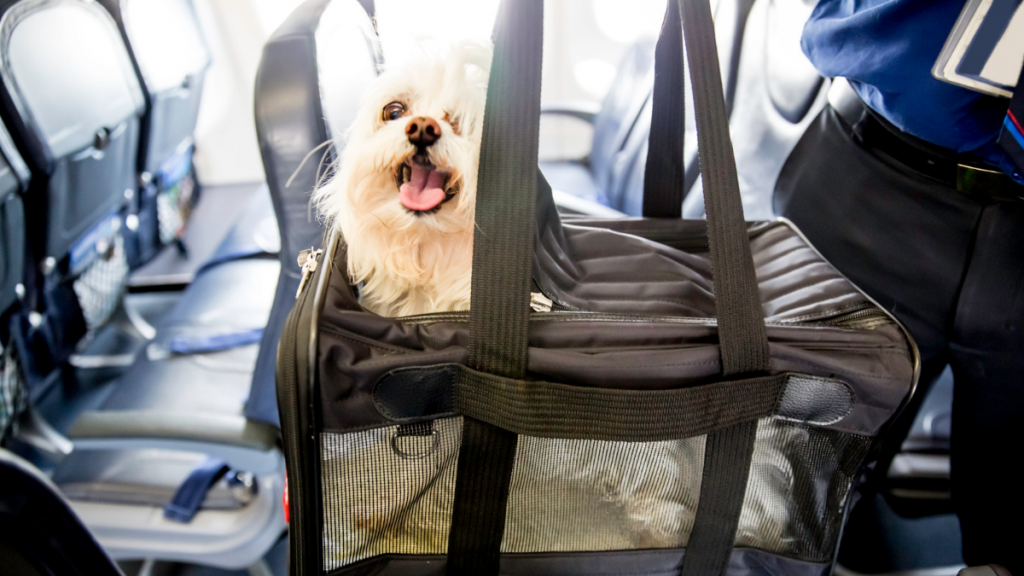
Everything You Need to Know about Flying with a Puppy
Taking a puppy on a plane for the first time takes more preparation than simply booking a ticket. Age, health, vaccination status, destination rules, airline policies and the mode of transport (cabin, checked baggage where offered, or air freight) can all affect whether your furry friend is accepted on a flight. The earlier you plan, the easier it is to coordinate the required paperwork, choose an appropriate carrier and help your puppy become comfortable with the travel routine.
This guide explains the main points to check before traveling with a puppy by plane, from veterinary requirements and crate standards to airline restrictions, costs and practical tips. Because rules vary by country, route and airline, always verify the requirements that apply to your specific trip before making a reservation.
Key Takeaways
IATA guidance states that animals must be at least 8 weeks old and fully weaned, but airlines and destination countries may impose a higher minimum age.
- Your puppy may travel in the cabin or cargo hold as a checked pet or via air freight, depending on your destination country and the airline’s pet policy
- To be able to travel on a plane, your puppy will, in most cases, need to be microchipped, vaccinated against rabies, hold a pet passport and health certificate, be cleared by a vet a few days prior to departure as well as other destination-specific formalities.
- The travel cage or bag must be suitable for the puppy’s size and transport method and respect the airline’s policy.
- Familiarize your puppy to its travel carrier gradually, confirm the required health and vaccination records, and avoid last-minute changes to feeding, medication or travel arrangements.
How Soon Can You Fly with a Puppy?
An airline can require an older minimum age, and international entry rules may effectively push the travel date back further. For example, a destination may require a rabies vaccination that can only be administered from a certain age, followed by a waiting period before entry.
The United States currently requires dogs entering the country to be at least 6 months old, microchipped and accompanied by the applicable documentation from the Centers for Disease Control and Prevention (CDC). These requirements are destination rules, not a universal minimum for all flights.
Before booking, work backwards from the intended travel date: check your puppy’s age, vaccination schedule, veterinary paperwork, destination regulations and the airline’s own age restrictions.
What Are the Guidelines to Fly with a Puppy?
Documents to Prepare
The key documents needed to travel by plane with a puppy usually include identification details, a pet passport or vaccination records as well as an international pet health certificate.
For international travel, you may also need import or export permits.
Please note that the documents required for bringing a puppy on a plane vary according to the departure country, destination, transit points and transport method. Do not assume that a document accepted for one country or airline will be accepted for another. Check official government requirements for the destination and any transit country, then compare them with the airline’s required paperwork before travel day.
Veterinary Protocol to Follow
A pre-travel veterinary visit is essential to confirm that your puppy is healthy and fit to travel. Your vet can review age, breed, general condition, vaccination status (including against rabies) and any medical factors that may affect the journey.
A pet microchip (or tattoo) is also a frequent pre-requisit, especially when a vaccination record or health document must be linked to the animal.
Depending on the route, your puppy may need specific vaccines, parasite treatments, testing completed within a defined time window before departure. If a country classifies the origin as a rabies-risk country, additional conditions may apply.
Do not give sedatives or tranquilizers simply to make your puppy sleep during the flight. The IATA and the American Veterinary Medical Association advise against routine sedation for air travel because it can increase health risks. Any medication should only be considered after discussion with a veterinarian and in line with the airline’s rules.
Crate Requirements
Your puppy’s travel crate is a safety item, not just a piece of baggage.
For transport in the hold or by air freight, you will need to use an IATA-compliant cage, strong, secure, well ventilated and correctly sized so your puppy can stand naturally, turn around and lie down comfortably.
The exact crate specifications depend on the animal, route and carrier. Hard-sided crates used for cargo transport generally need a secure door, adequate ventilation and a leak-proof base with absorbent material. Wheels may need to be removed or disabled.
Airlines can also require labels, identification details and accessible food or water containers.
For further guidance on how to take a pet on a plane or to request a quote, please feel free to reach out to our team.
How to Fly with a Puppy on a Plane?
The first step is to check whether the airline accepts pets on the intended flight and, if so, under which category.
Small puppies may sometimes be accepted in the cabin if the airline permits pets and the carrier fits within its size and weight limits. Other puppies may travel as accompanied excess baggage in the hold where that service exists, or as live animal cargo through an air-freight process. These options are not available on every airline or route.
Option 1: Traveling as “Excess Baggage”
Some airlines allow a pet to travel on the same flight as its owner as checked or excess baggage. In this case, the puppy is checked in under the airline’s pet-travel procedure and is transported in an approved crate in the aircraft hold rather than in the passenger cabin. This option is airline- and route-specific.
Weight limits, breed restrictions, seasonal temperature rules, airport acceptance procedures and reservation deadlines can all apply. The animal may also be counted separately from the passenger’s standard baggage allowance and a dedicated pet fee may be charged.
If you plan to use this option, check with your airline before booking the passenger ticket, because pet capacity can be limited even when seats are still available.
Option 2: Traveling via Air Freight
Air freight is a dedicated live-animal shipping solution and is often used when a puppy cannot travel in the cabin or as accompanied baggage, or when the route requires cargo handling. In this case, your puppy will travel under an air waybill and be accepted through the airline’s cargo process rather than the standard passenger check-in desk.
This method involves specific procedures for booking, documentation, crate compliance, airport handling and collection at destination. It can also be appropriate for international moves where customs, import permits or coordinated ground transport are part of the journey.
Because live-animal cargo rules vary by airline and country, confirm the required documents, acceptance hours, collection process and any customs formalities before departure.
What Are the Airlines Policies for Flying with a Puppy?
Airline policies for flying with a puppy are not standardized. Each carrier decides whether pets are accepted in the cabin, as checked baggage, in the cargo hold or only through a freight service. Policies can also vary by route, aircraft type, season and airport.
Typical restrictions concern the puppy’s age, breed, size and weight; the dimensions and construction of the pet carrier or crate; the number of animals accepted; seating rules for cabin pets; health documentation; and temperature limits for hold or cargo travel.
Some airlines restrict or refuse brachycephalic breeds because of their higher respiratory risk during air travel. Always check the current airline policy for the exact flight you intend to book. A general pet-friendly policy on an airline’s website does not guarantee acceptance on every route or aircraft.
Which Airlines Let You Fly with a Puppy?
There is no universal list of airlines that will accept a puppy on every route. However, airlines such as Air France, Air Transat, as well as American Airlines often accept young pets while “low-cost” airlines, such as Ryanair, EasyJet or WizzAir do not accept pets onboard.
Many carriers transport dogs, but the available service may be limited to the cabin, accompanied baggage, cargo, or selected routes only. An airline may also suspend pet transport temporarily because of temperature, aircraft limitations or operational constraints.
When comparing airlines, look beyond whether they simply ‘allow pets’. Check the minimum age, breed restrictions, carrier dimensions, maximum weight, reservation process, pet fee, transit rules and whether the destination airport can handle live animals. For international travel, also confirm that the chosen airline’s procedure is compatible with the country’s import requirements.
The safest approach is to contact the airline directly or work with an experienced pet transport specialist before purchasing a non-refundable ticket.
How Much Does It Cost to Fly a Puppy on a Plane?
- In the cabin: Airlines typically charge a supplement ranging from €30 to €125 per flight, depending on the carrier.
- In the cargo hold: The fee to travel may range from €75 to €300, or more for long-haul flights.
- By air freight (cargo): the cost is usually based on volumetric weight and starts at €500.
Please note that these are indicative pricing. The cost of taking a puppy on a plane varies widely depending on the airline, route, transport method, crate size and weight, as well as any veterinary, administrative, customs or ground-transport requirements.
Beyond the transport fee, additional costs may include the travel crate or carrier, veterinary consultation, vaccines, laboratory tests where required, health certificates, import or export permits, customs clearance, airport handling and ground transport. Because these items depend on the destination and the puppy’s situation, ask for a breakdown before confirming the trip rather than relying on a single headline fare.
At Air Transport Animal, we offer customized, transparent services designed to optimize your costs while ensuring your pet’s safety and comfort.
How to Prepare Your Puppy for Its First Flight?
Start preparing several weeks before the flight whenever possible.
First, make the travel crate part of the puppy’s everyday environment. Leave it open at home, place familiar bedding inside and use short positive sessions so the puppy can enter, rest and settle without pressure. Gradually extend the time spent in the carrier.
Next, organize the practical details: veterinary appointment, health and vaccination records, identification, airline reservation and destination paperwork. Recheck the crate size as the puppy grows, especially if the booking is made well in advance.
On travel day, keep the routine calm. Follow your veterinarian’s feeding advice and the airline’s instructions. IATA advises against a heavy meal immediately before travel and recommends access to water up to the time of travel. Exercise the puppy appropriately before it enters the crate, use absorbent material or pee pads where permitted, and attach only safe comfort items that cannot create a hazard.
Finally, allow enough time at the airport or cargo terminal. Live-animal check-in can involve document checks, crate inspection and special handling, so arriving prepared helps ensure a smooth process.
Conclusion
Flying with a puppy can be organized safely and stress-free when the journey is planned around the animal’s age, health and comfort rather than around the passenger ticket alone. The key is to verify 3 sets of rules early:
- the destination’s import requirements
- the airline’s pet policy
- the veterinary protocol that applies to your puppy
Whether you are traveling with a puppy on a plane in the cabin, as accompanied baggage or by air freight, the details matter. The right documents, a correctly sized crate, gradual familiarization and a realistic travel plan all help reduce avoidable stress and last-minute complications. If your puppy is traveling internationally or the route involves complex formalities, professional support can help you coordinate the transport and understand which requirements apply to your specific journey.
Need help booking your pet’s journey? Our team will explain the available options and manage the entire reservation process for you from start to finish.
Frequently Asked Questions About Traveling with a Puppy By Plane
As a general IATA baseline, puppies must be at least 8 weeks old and fully weaned before air travel. However, airlines may require a higher minimum age, and destination-country rules can be stricter. For example, dogs entering the United States must currently be at least 6 months old. Always check both the airline and destination requirements.
Some airlines allow small puppies in the cabin, but acceptance depends on the carrier’s policy, route, aircraft, puppy-and-carrier weight and carrier dimensions. A puppy that is too large for cabin travel may need to use another permitted transport method. Check with your airline before booking.
Air cargo and hold transport are established ways of transporting live animals, safe for your puppy. Airlines and professional animal transport operators follow live-animal procedures designed to protect animals during the journey. A vet should confirm that your puppy is fit to travel, and temperature, route and breed-specific risks should be considered.
Brachycephalic puppies – such as short-nosed breeds – have a higher risk of breathing and overheating problems during air travel. Some airlines restrict or refuse these breeds, particularly in the hold or as cargo. Speak with your veterinarian and check the airline’s current breed policy before making travel arrangements.
Yes, but international travel usually involves more formalities than a domestic trip. Requirements may include a microchip, rabies vaccination, health certificate, import permit, parasite treatment, testing or other documentation depending on the destination. Transit-country rules may also apply. Check official government requirements and airline policies well in advance.
Pack only what is permitted and useful for the journey. Depending on the transport method, this may include the puppy’s travel documents, vaccination records, identification details, a leash or harness for airport handling, absorbent pee pads, pet wipes, and a small amount of food if required by the airline or for arrival. The crate may need attached food and water containers for hold or cargo travel. Avoid loose items that could become unsafe inside the crate.
Sometimes. IATA guidance allows certain weaned puppies from the same litter to travel together in one primary enclosure when specific age, weight and compatibility conditions are met, but national rules and airline policies can be stricter. IATA notes that puppies sharing a container should be from the same litter, no older than 6 months and no more than 14 kg each, with no more than 3 in one container. Always confirm the rule for your airline and route before planning a shared crate.
Feeding advice should take the puppy’s age, size, routine and flight duration into account. IATA recommends a light meal and a small drink around 2 hours before dispatch rather than a full meal immediately before travel, while water should remain available up to the time of travel. Ask your veterinarian for individual advice, especially for very young puppies or animals with specific dietary needs.
Routine sedation is not recommended for puppies traveling by air. IATA and the AVMA warn that sedatives or tranquilizers can create additional health risks, including respiratory or cardiovascular problems. Airlines may also refuse a sedated animal. If you are concerned about anxiety or motion sickness, discuss safe options with your veterinarian before the trip and follow the airline’s policy.