

Everything You Should Know About Transporting a Bird on a Plane
Wondering whether you can bring your bird on a plane? Flying with your feathered friend is possible, but it is not straightforward either. Between health restrictions, mandatory documents, cargo hold regulations, and the vaccination certificates required by some countries, the process can quickly become overwhelming for exotic pets owners. The good news? With the right information and proper planning ahead, it is entirely manageable. Here is your complete guide to flying with a pet bird.
Can You Bring a Bird on a Plane?
So, can you take a bird on a plane? The short answer is yes… but under strict conditions. Unlike dogs and cats, birds are generally not allowed in the cabin. Most airlines classify them as live animals subject to specific regulations that vary depending on the destination, the carrier, and the species involved.
While common pet birds such as parakeets, canaries, and parrots can be transported, provided that all health and entry requirements are met, species protected under the CITES Convention (the Convention on International Trade in Endangered Species of Wild Fauna and Flora) are subject to far more severe restrictions and in some cases, a complete ban on transport.
Before booking anything, it is essential to check whether your bird is accepted by your chosen airline, and if the import conditions of your destination country are compatible with your travel plans.
CITES Convention: A Warning for Parrot and Exotic Bird Owners
Many owners of exotic pets are unaware that they may be affected by the CITES Convention (also known as the Washington Convention). Since 1975, this international treaty protects over 40,000 animal and plant species, including a large number of common pet birds.
Which birds are included?
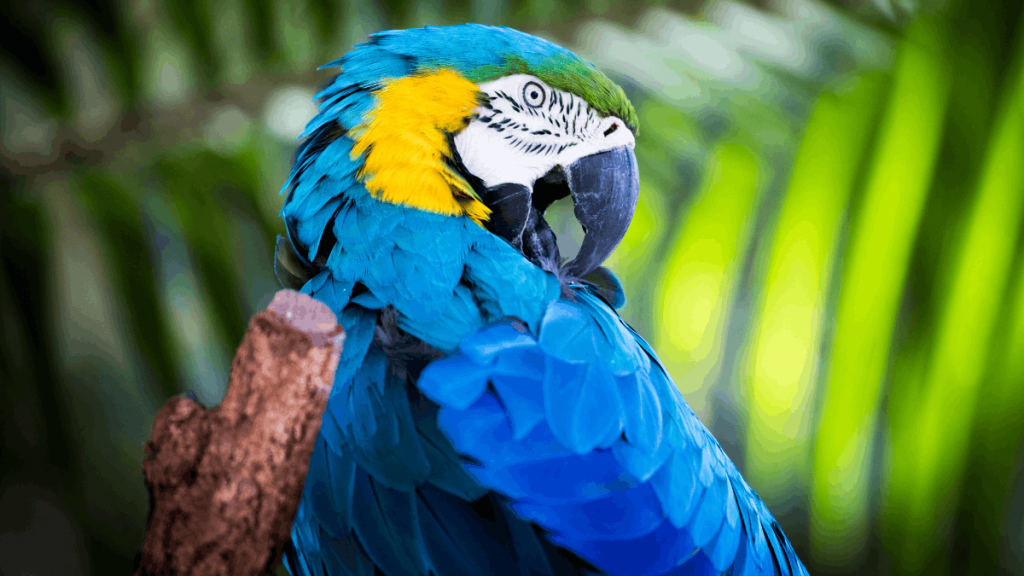
Species such as parrots, macaws, and cockatoos are subjected to CITES regulations. Actually, except for a few very common species such as the cockatiel, the budgerigar, the ring-necked parakeet, and the rosy-faced lovebird almost all parrots are protected under CITES.
What does this mean for travelling with a parrot?
Travelling abroad with your parrot may require an export permit issued by the authorities of your country of departure, as well as an import permit from the destination country. These administrative steps can take several weeks to complete.
When transporting parrots to or from the EU, additional health formalities apply on top of CITES obligations. Furthermore, certain protected species may only be transported via air cargo, as required by the convention.
If you own a parrot, macaw, cockatoo, or any other exotic bird, always check its CITES status before planning an international trip. A missing document or an overlooked regulation can result in your animal being seized at customs. When in doubt, consult a licensed veterinarian or a professional animal transport service.
What Are the Requirements for Flying with a Bird?
Wondering how to take a bird on a plane? The rules vary significantly depending on the airline, the country of departure, and the destination. Here are the key requirements:
Transport cage size and weight
Your bird’s travel cage must comply with the dimensions required by the airline, typically in line with IATA (International Air Transport Association) standards. It must be large enough to allow the bird to stand upright, turn around, and adopt a natural resting position. The total weight (bird and travel carrier combined) must not exceed the maximum allowed by the carrier.
Bird identification
Depending on the country, official identification of the bird may be required: an official ring, a tattoo, or a microchip. For larger birds, a pet microchip implanted by a veterinarian is often mandatory. This small electronic device, injected under the skin, contains a unique identification number readable with a special scanner. It serves as proof of the animal’s legal origin and facilitates customs checks.
Vaccination and health protocols
Some countries require birds to be vaccinated against specific diseases, particularly avian influenza. Thorough veterinary monitoring before departure is essential. For international travel, a quarantine period upon arrival may also be imposed.
Destination-specific rules and regulations
Import conditions vary greatly from one country to another. Within the European Union, standardised rules apply but third countries set their own requirements. Always check with the veterinary and customs authorities of your destination country well before your departure date.
What Documents Are Needed to Take a Bird on a Plane?
To travel with a bird by plane, several documents may be required depending on the airline and destination:
- The health certificate (also called the International Pet Health Certificate) : issued by an accredited veterinarian in the days before departure, this document certifies that the bird is healthy and fit for air transport. It has a limited validity period, which is generally between 5 and 10 days.
- The vaccination record lists the bird’s vaccinations and may be required at the border, particularly for avian influenza.
- The import permit: mandatory to enter certain countries, this permit must often be obtained in advance from the relevant authorities at the destination.
- The IATA form or airline-specific documentation: some carriers require their own paperwork to be completed at the time of booking.
Start these administrative steps several weeks in advance; some documents take time to obtain.
How to Travel by Plane with a Bird?
Since most airlines do not allow birds in the cabin, two main transport options are available:
Option 1: Transport as excess baggage (cargo hold)
Some airlines accept birds in the hold as excess baggage. The bird travels in an IATA-compliant cage, loaded into the hold alongside other luggage. This is the most affordable option and allows you to travel on the same flight as your pet.
However, the hold is subject to temperature and pressure variations, as well as high noise levels, all of which can be stressful for a bird. It is essential to confirm that the airline guarantees appropriate travel conditions for live animals in its hold.
Option 2: Air cargo
Air cargo is the alternative when the airline does not accept animals in standard hold baggage, or when the bird cannot travel on the same flight as its owner. The animal is entrusted to a specialised live animal freight service, which manages the entire journey end to end.
An IATA-approved pet carrier is an absolute requirement here: it must be made of wood or hard plastic, with no externally accessible bars that could injure the bird or damage the aircraft.
This option offers greater guarantees in terms of transport conditions (dedicated areas, temperature control) but it is more expensive and involves handing your bird over to a third party. It is often recommended for long-haul or international travel.
What Airlines Allow Birds on Planes?
Airline policies on bird transport vary widely. Here are some examples:
Airlines that accept birds
- Air Corsica: Birds must be identifiable (via a ring or tattoo), up to date on their avian influenza vaccination, and accompanied by an internationally valid health certificate from a veterinarian.
- Turkish Airlines: One of the few carriers to explicitly allow songbirds and parrots in the cabin on many of its routes.
- Lufthansa: Offers high-quality pet shipping services through its dedicated centre in Frankfurt.
Airlines with strict restrictions
Carriers such as British Airways or Emirates typically require all animals (with some local exceptions) to travel via cargo, effectively ruling out the cabin. Low-cost airlines such as Ryanair and EasyJet systematically refuse all animals on board, except for assistance dogs.
As for Air France, they only allow bird transport via air cargo. It is essential to contact Air France customer service or its freight department well in advance to obtain authorisation, as space for live animals is limited.
Always check the “Pets” section of the airline’s website before purchasing your ticket. Policies can change, and incorrect information can result in your bird being refused at the gate on the day of departure.
How Much Does It Cost to Transport a Bird on a Plane?
The cost of transporting a bird by plane depends on several factors:
- Hold transport (excess baggage): fares are generally calculated based on the total weight (bird + crate) and the destination. Expect to pay between €50 and €200 on average, depending on the carrier and distance.
- Air cargo: this option is more expensive. Prices depend on weight, volume, and destination, and can easily exceed €200–€500 — or more for intercontinental flights.
Additional costs to budget for:
- Purchase or rental of an IATA-compliant cage
- Veterinary consultation and health certificate fees
- Administrative costs (import permit, etc.)
- Potential quarantine fees at the destination
These figures are indicative only. For an accurate quote tailored to your situation, we recommend requesting a personalised estimate from a professional animal transport service.
How to Prepare Your Bird for Its Flight?
Air travel can be a significant source of stress for a bird. Here are some practical tips to help your feathered companion get ready:
- Gradually get your bird acclimated to its transport cage: several weeks before departure, leave the cage open in your bird’s usual environment so it can explore it at its own pace. Encourage it to enter the cage on its own.
- Adjust feeding before the flight: avoid feeding your bird immediately before departure to reduce the risk of digestive stress. Make sure food and water are accessible inside the cage for the duration of the journey.
- Never use sedatives: tranquillisers are strongly discouraged for birds travelling by air. They can disrupt the animal’s thermal regulation and cause serious complications.
- Equip the cage properly: include an appropriate perch, water in a secured drinker, and line the bottom with an absorbent material. Avoid toys or accessories that could injure the bird during turbulence.
- Consult a vet before departure: in addition to issuing the health certificate, your veterinarian can advise on any specific precautions based on your bird’s health profile and the length of the flight.
Travelling with Your Bird by Plane: Key Takeaways
Transporting a bird on a plane requires careful, early preparation. Between health regulations, mandatory paperwork, the choice of transport method, and selecting the right airline, the process can quickly become complex.
The essentials: start early, check the specific requirements for your destination, and prepare your bird well ahead of departure.
To take the stress out of the process and ensure your pet travels safely, consider working with a professional animal transport specialist. Our teams at Air Transport Animal are here to support you at every step, from advice and administrative formalities to booking and monitoring your bird’s journey.